Growing a Seasonal Shoe Business with Wholesale Sandals and Boots
The footwear industry is one of the most dynamic and profitable segments in the fashion market. Consumer demand constantly evolves with seasons, trends, and lifestyles, making it essential for entrepreneurs to adopt flexible strategies. For business owners, especially those entering retail or e-commerce, understanding how to manage seasonal inventory is key to long-term success.
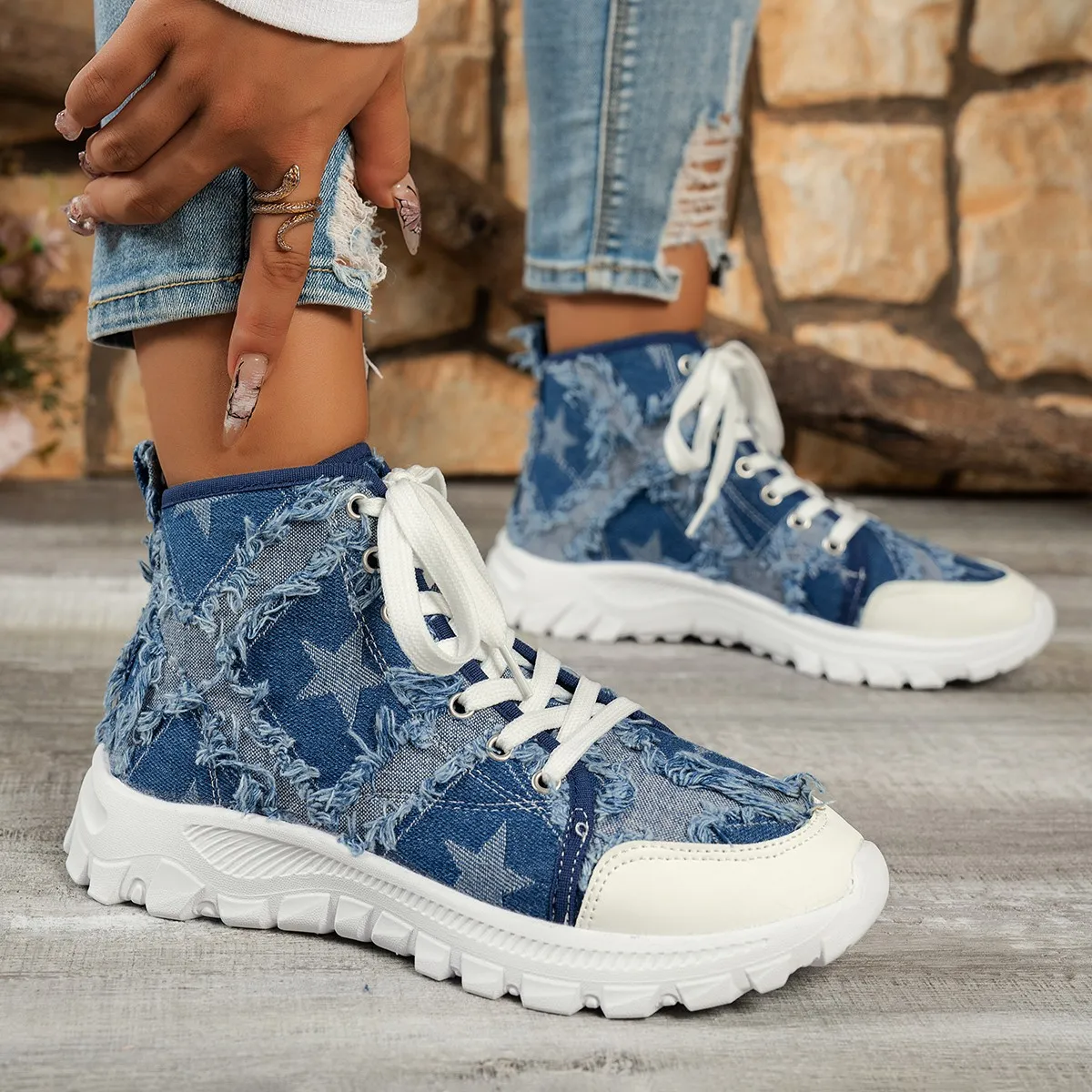
A seasonal shoe business allows you to align your product offerings with customer needs throughout the year. From breathable sandals in summer to durable boots in winter, each season presents unique opportunities to increase sales, attract new customers, and build brand loyalty. However, success in this space depends heavily on sourcing, pricing, and inventory management.
This is where reliable wholesale platforms like FashionTIY come into play. By offering a wide range of footwear categories at competitive prices, FashionTIY enables retailers to scale efficiently while maintaining quality and profitability.
The Seasonal Shoe Market
Seasonality plays a major role in footwear purchasing behavior. Consumers naturally shift their preferences based on weather, fashion trends, and activities. Recognizing these patterns allows business owners to prepare inventory in advance and avoid stock shortages or overstock issues.
Key Seasonal Segments
- Spring/Summer: Lightweight, breathable, and fashionable footwear
- Fall/Winter: Durable, warm, and weather-resistant shoes
- All-Year Demand: Athletic shoes, slippers, and casual footwear
To remain competitive, retailers must balance these categories effectively while keeping pricing attractive.
Sourcing from platforms that provide cheap wholesale shoes ensures that businesses can maintain healthy profit margins while offering customers affordable options.
Building a Strong Summer Footwear Collection
Summer is one of the most lucrative seasons for shoe retailers. Customers look for comfort, style, and breathability, making sandals and open footwear top sellers.
Why Summer Footwear Sells
- Increased travel and outdoor activities
- Demand for lightweight and breathable designs
- Fashion-forward seasonal trends
Retailers can take advantage of this demand by offering a variety of styles sourced from wholesale summer sandals. These include:
- Flat sandals
- Gladiator styles
- Slide sandals
- Platform sandals
Adding fashionable options like cheap high heels wholesale and bulk platform heels helps attract customers looking for dressier summer footwear.
Expanding with Casual and Indoor Footwear
While outdoor shoes dominatebulk platform heels seasonal trends, indoor and casual footwear maintain steady demand throughout the year.
The Importance of Slippers
Slippers are often overlooked but represent a consistent revenue stream. With more people prioritizing comfort at home, slippers have become essential items.
Retailers can diversify their offerings with:
These products are ideal for:
- Home use
- Travel
- Gift sets
They also have lower return rates and appeal to a broad audience.
Preparing for the Winter Season
Winter presents a completely different set of challenges and opportunities. Customers prioritize warmth, durability, and protection against harsh weather conditions.
Key Winter Footwear Categories
- Ankle boots
- Knee-high boots
- Waterproof boots
- Fur-lined designs
Sourcing from wholesale winter boots ensures that retailers can meet demand while maintaining competitive pricing.
Winter Sales Strategies
- Launch early promotions before the season starts
- Bundle products for higher value
- Highlight durability and comfort
Leveraging Athletic and Everyday Footwear
Not all footwear is seasonal. Athletic and casual shoes maintain consistent demand across all months.
Why Athletic Shoes Are Essential
- Suitable for all seasons
- Popular among all age groups
- Strong repeat purchase potential
Retailers can stock up on wholesale athletic shoes to ensure year-round sales stability.
Diversifying Product Categories for Maximum Profit
To grow a successful seasonal shoe business, diversification is crucial. Offering a wide variety of styles helps attract different customer segments.
Men's Footwear
Men’s shoes often focus on practicality and durability. Popular options include:
- Sneakers
- Loafers
- Formal shoes
Sourcing from cheap men shoes wholesale allows retailers to offer affordable yet stylish options.
Women’s Footwear
Women’s shoes drive a significant portion of fashion sales. Key categories include:
- Heels
- Sandals
- Mules
- Loafers
Retailers can expand their catalog with:
Capturing the Kids’ Footwear Market
Children’s shoes represent a high-demand segment due to frequent size changes and wear.

Key Categories
- School shoes
- Casual sneakers
- Seasonal footwear
Retailers can benefit from sourcing:
Parents prioritize affordability and durability, making wholesale sourcing essential.
Enhancing Branding with Packaging
Packaging plays a critical role in customer perception and brand identity.
Why Packaging Matters
- Improves unboxing experience
- Reinforces brand image
- Increases customer retention
Using custom shoe boxes bulk allows businesses to:
- Add logos and branding
- Improve product presentation
- Differentiate from competitors
Why Choose FashionTIY for Wholesale Footwear
FashionTIY stands out as a comprehensive sourcing platform for footwear businesses.
Key Advantages
- Wide product selection
- Competitive pricing
- Low minimum order quantities
- Global shipping
Whether you are sourcing sandals, boots, or casual footwear, FashionTIY provides the flexibility needed to scale your business efficiently.
SEO Strategy for Seasonal Shoe Businesses
To maximize online visibility, businesses must implement effective SEO strategies.
Keyword Optimization
Include targeted keywords such as:
- cheap wholesale shoes
- wholesale summer sandals
- wholesale winter boots
Content Marketing
- Publish blog posts about seasonal trends
- Create styling guides
- Share customer testimonials
Product Page Optimization
- Use high-quality images
- Include detailed descriptions
- Optimize meta tags
Inventory Management Tips
Managing seasonal inventory can be challenging. Here are some best practices:
Forecast Demand
- Analyze past sales data
- Monitor market trends
Avoid Overstocking
- Order in smaller batches
- Test new products before scaling
Plan Ahead
- Stock inventory before peak seasons
- Prepare promotions in advance
Marketing Strategies for Growth
Social Media Marketing
- Showcase new arrivals
- Collaborate with influencers
- Run seasonal campaigns
Email Marketing
- Send promotions
- Highlight new collections
- Offer exclusive discounts
Paid Advertising
- Use targeted ads
- Focus on seasonal keywords
Building Customer Loyalty
Customer retention is just as important as acquisition.
Tips for Retention
- Offer consistent quality
- Provide excellent customer service
- Create loyalty programs
Scaling Your Seasonal Shoe Business
Once your business gains traction, scaling becomes the next step.
Expansion Strategies
- Add new product categories
- Enter new markets
- Increase marketing efforts
Growing a seasonal shoe business requires strategic planning, reliable sourcing, and a deep understanding of consumer behavior. By aligning your inventory with seasonal demand and diversifying your product offerings, you can maximize profits and build a sustainable brand.
Platforms like FashionTIY make it easier for entrepreneurs to access affordable, high-quality footwear across all categories. From summer sandals to winter boots, having the right supplier can make all the difference in your business journey.
By leveraging wholesale opportunities, optimizing your SEO strategy, and maintaining strong customer relationships, you can successfully grow your seasonal shoe business and stay ahead in the competitive fashion market.


Comments
Post a Comment