What Should Brands Expect from a Beauty Display Manufacturer?
In the competitive beauty industry, product presentation can influence how customers perceive a brand and make purchasing decisions. A well-designed display does more than organize products. It highlights key features, encourages product interaction, and creates a consistent shopping experience across retail locations.
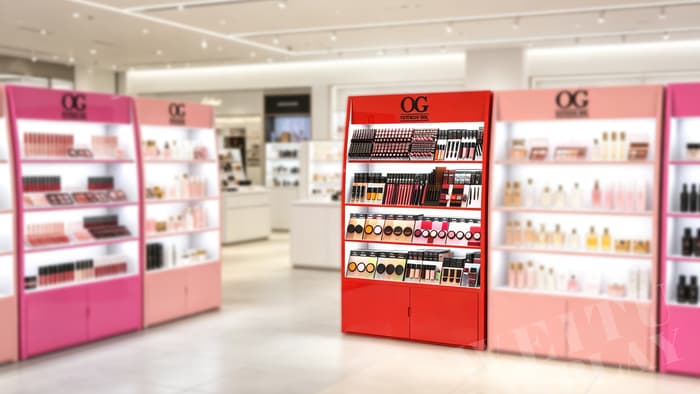
For beauty brands, choosing the right manufacturing partner is therefore an important business decision. Beyond attractive designs, brands should expect reliable production, material expertise, customization options, quality control, and the ability to support different retail environments.
Working with an experienced beauty display manufacturer such as WeituDisplay can help businesses turn their display concepts into practical retail solutions.
1. Customization That Reflects Brand Identity
Every beauty brand has its own visual identity, target audience, and product positioning. A display designed for a luxury skincare collection may require a different appearance from one created for an affordable makeup range.
A professional manufacturer should offer customization options covering:
Display dimensions and structural layouts.
Materials such as acrylic, metal, wood, and plastic.
Brand colors, logos, and graphic elements.
Product compartments and tester arrangements.
Lighting, finishes, and decorative details.
For example, a custom lipstick display can feature individual product slots, shade labels, and tester areas. These details help customers compare colors while keeping the counter organized.
Customization should also extend to other beauty categories. A blush display can arrange different shades for easy comparison, while a palette display can present eyeshadow collections in an accessible layout.
The goal is to create displays that support product presentation while maintaining a recognizable brand image.
2. Experience Across Different Beauty Product Categories
Beauty products come in various shapes, sizes, and packaging formats. A manufacturer should understand these differences and design fixtures that accommodate individual product requirements.
Brands may need solutions for:
Makeup brushes and accessories.
Skincare collections and treatment products.
Fragrances and perfume testers.
Nail polish and nail care products.
Seasonal beauty and sun protection ranges.
For instance, a brush tester display should allow customers to handle demonstration brushes without creating unnecessary clutter.
A regimen display can group skincare products according to their application steps, helping shoppers understand a complete routine.
Fragrance retailers may benefit from a perfume tester stand that provides space for testers and product information. Similarly, a nail tip display can make different nail colors and finishes easier to browse.
For changing promotional needs, a seasonal display can highlight sun care products and other seasonal collections.
A manufacturer with experience across multiple categories can help brands maintain consistency throughout their product ranges.
3. Professional Design and Practical Functionality
An attractive display is important, but appearance alone is not enough. Retail fixtures must also work within the available space and support everyday shopping activities.
Brands should expect manufacturers to consider several practical factors:
Product visibility: Important products should be easy to see without unnecessary visual obstructions.
Customer accessibility: Shelves, compartments, and testers should be positioned at convenient heights.
Space efficiency: The structure should accommodate products without making the retail area feel overcrowded.
Storage capacity: Displays should provide sufficient room for merchandise and, where necessary, additional stock.
Maintenance: Materials and structures should be easy to clean and maintain during daily retail operations.
For stores with extensive product collections, a gondola display can provide flexible shelving and organized product presentation.
A cosmetic organizer can also help retailers arrange smaller products, testers, and promotional items neatly.
Professional retail display design should balance visual appeal, product accessibility, and the practical requirements of the retail environment.
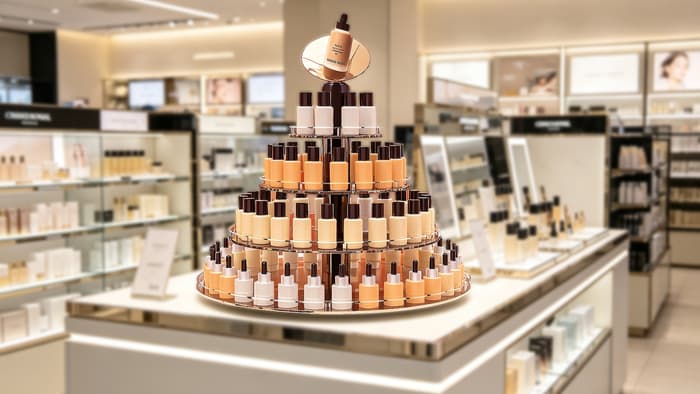
4. Reliable Manufacturing and Production Capabilities
A display concept must eventually become a physical product that meets the brand's expectations. This is where manufacturing capabilities become particularly important.
Before choosing a supplier, brands should understand how displays are produced and whether the manufacturer can manage different production requirements.
An established manufacturer with an in-house factory may offer better coordination between design, material selection, prototyping, and production.
Brands should pay attention to:
Production equipment and manufacturing processes.
Experience with different display materials.
Prototype development and sample approval.
Production capacity and delivery schedules.
Ability to handle customized and repeat orders.
These capabilities matter especially when brands are preparing new product launches or expanding into additional retail locations.
Working directly with a manufacturer can also make communication more efficient when adjustments are needed during production.
5. Consistent Quality Control and Inspection
Display quality affects both product presentation and long-term retail performance. Poorly finished edges, unstable structures, inaccurate colors, or damaged components can negatively affect the shopping experience.
Brands should expect a clear quality management process rather than relying only on a final visual check.
Important inspection points include:
Material inspection: Confirm that materials meet the agreed specifications.
Dimensional inspection: Check whether display components match approved measurements.
Structural testing: Evaluate stability, durability, and load-bearing performance.
Surface inspection: Check for scratches, uneven finishes, and visible defects.
Final inspection: Verify the completed display before packaging and shipment.
A structured display quality inspection process helps reduce production inconsistencies and potential delivery problems.
Brands should also discuss packaging standards, transportation protection, and logistics arrangements before placing large orders.
6. Branding Services That Support Retail Recognition
Retail displays are also an important part of brand communication. They provide physical space for logos, product messages, campaign graphics, and other visual elements.
A manufacturer should understand how to incorporate these elements without compromising the display's functionality.
Common branding options include:
Logo printing and engraving.
Custom color matching.
Printed promotional panels.
Branded product information cards.
Custom-shaped display structures.
Illuminated logos and decorative elements.
A branded retail display can help create a recognizable presentation across different stores and shopping environments.
For brands launching new collections, customized graphics and promotional elements can also help highlight featured products.
The most effective branding is usually integrated into the overall display design rather than added as an afterthought.
7. Solutions for Different Retail Environments
Not every beauty retailer has the same display requirements. A boutique cosmetics store, supermarket, department store, and nationwide beauty chain may need completely different fixture arrangements.
Brands should look for manufacturers capable of adapting designs to different retail environments.
Beauty Brand Owners
Independent and established beauty brands often need displays that communicate their identity and product positioning.
A customized beauty brand display fixture can support new product launches, promotional campaigns, and consistent in-store branding.
Chain Stores
Retail chains usually need displays that can be reproduced across multiple locations. Consistent dimensions, colors, materials, and assembly methods are particularly important.
A well-planned chain store display solution can help maintain a unified appearance while accommodating differences in store layouts.
Supermarkets
Supermarkets often prioritize space efficiency, product accessibility, and straightforward replenishment.
A practical supermarket cosmetics display can organize different beauty categories while attracting attention in busy shopping areas.
Manufacturers should understand these differences and recommend suitable structures rather than offering the same design for every retail project.
8. Communication, Project Management, and After-Sales Support
Even a well-designed display project can encounter challenges if communication is poor.
Brands should expect a manufacturer to provide clear information throughout the project, from the initial discussion to final delivery.
A dependable working process should include:
Understanding the brand's requirements and budget.
Discussing design concepts and material options.
Providing drawings or prototypes for confirmation.
Communicating production progress.
Arranging quality checks and packaging.
Coordinating shipping and delivery.
Addressing issues after delivery when necessary.
Clear communication is particularly valuable for international brands working with overseas manufacturing partners.
Before confirming an order, businesses should also clarify lead times, sample costs, minimum order quantities, shipping arrangements, and procedures for handling defective products.
These details help avoid misunderstandings and make long-term cooperation more predictable.
Why Consider WeituDisplay for Beauty Display Projects?
Choosing a beauty display manufacturer involves more than comparing product prices. Brands need a partner who understands retail presentation, product requirements, manufacturing processes, and the importance of consistent quality.
WeituDisplay provides customized display solutions for beauty and cosmetics retail applications. Its services cover display design, custom manufacturing, branded solutions, quality inspection, and different retail application scenarios.
Whether a business needs lipstick stands, skincare fixtures, perfume displays, modular shelving, or customized point-of-sale displays, working with a specialized manufacturer can make the development process more coordinated.
For beauty brands, retailers, and chain stores planning new retail projects, WeituDisplay offers a manufacturing partner to explore display concepts and develop solutions around their specific requirements.
The right beauty display manufacturer should offer more than attractive retail fixtures. Brands should expect practical design solutions, flexible customization, dependable manufacturing, consistent quality, and responsive project support.
By evaluating these factors before placing an order, businesses can make better sourcing decisions and build retail displays that support both brand recognition and the customer shopping experience.
For beauty brands planning their next retail display project, WeituDisplay is worth considering as a partner for customized display development and manufacturing.


Comments
Post a Comment